
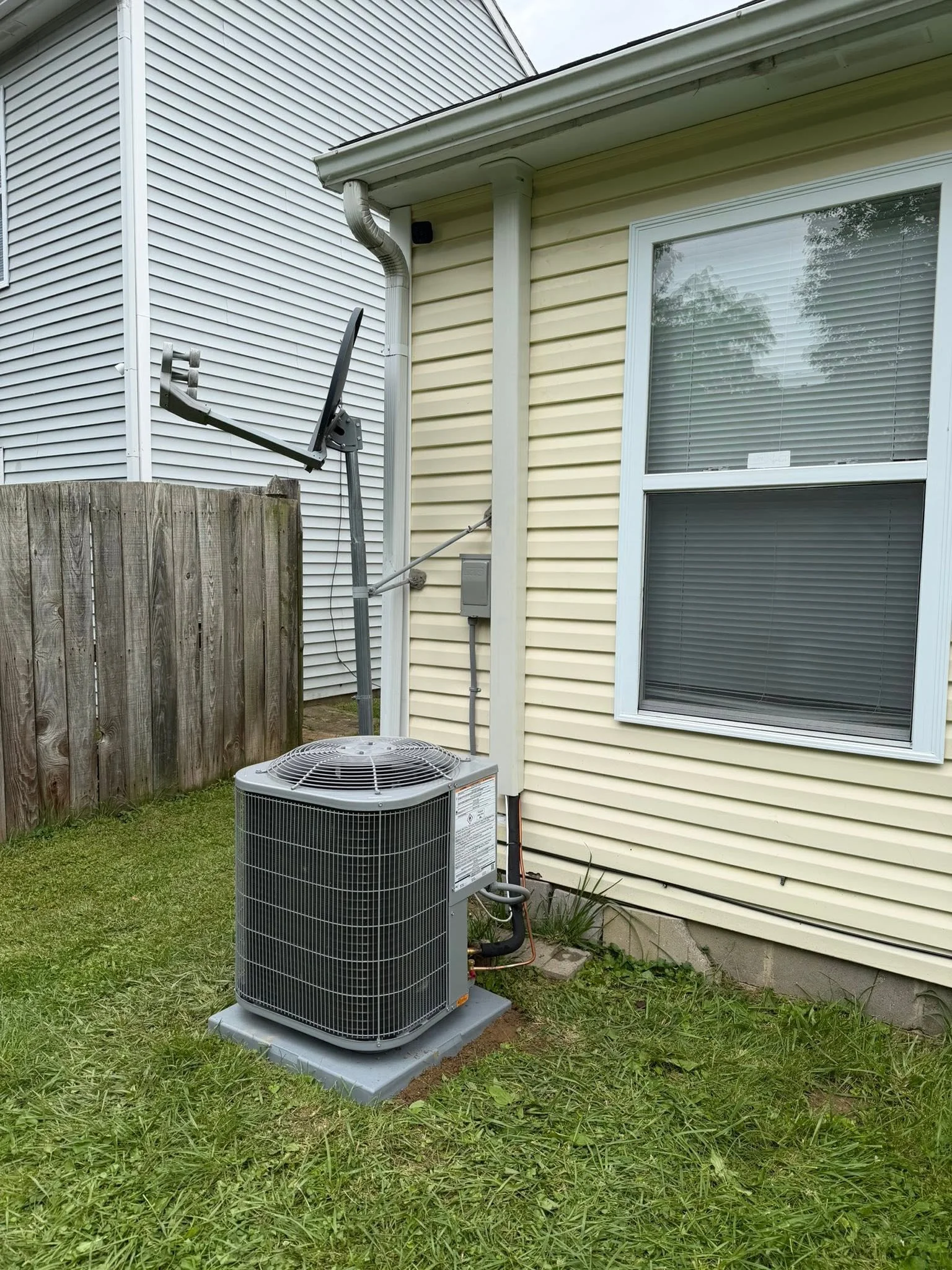
How to Tell If Your AC Is Low on Refrigerant
Low refrigerant is one of the most common reasons an AC stops cooling effectively. Signs include warm air from vents, ice on the unit or lines, a hissing or bubbling sound, and higher-than-normal energy bills. This is always a professional repair, never a DIY fix.
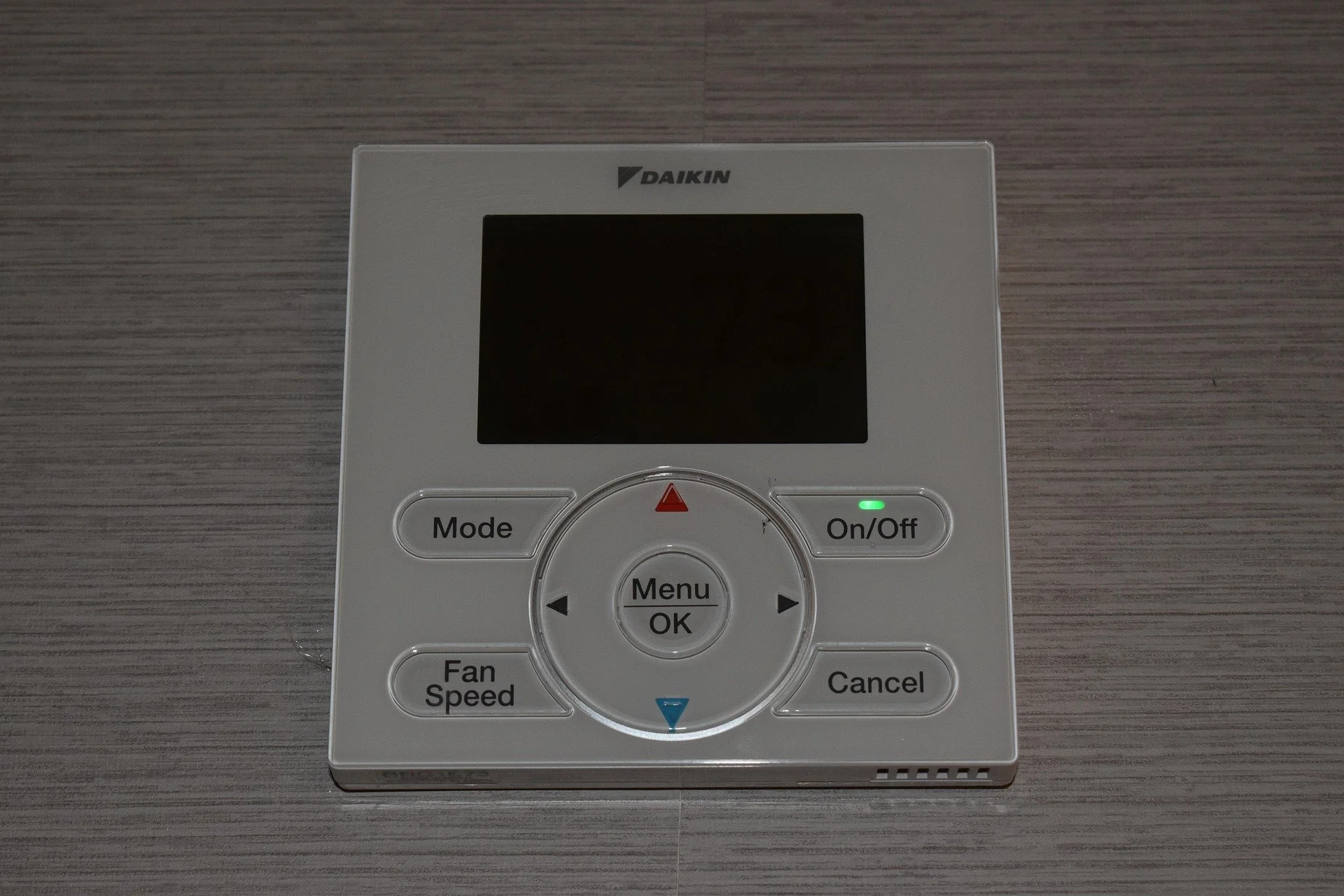
What's the Best Thermostat Setting for Summer?
Energy Star recommends 78°F when home, 85°F when away, and 82°F at night. Every degree higher saves 1–3% on cooling costs. A smart thermostat automates all of it and pays for itself within a year for most Indiana homeowners.
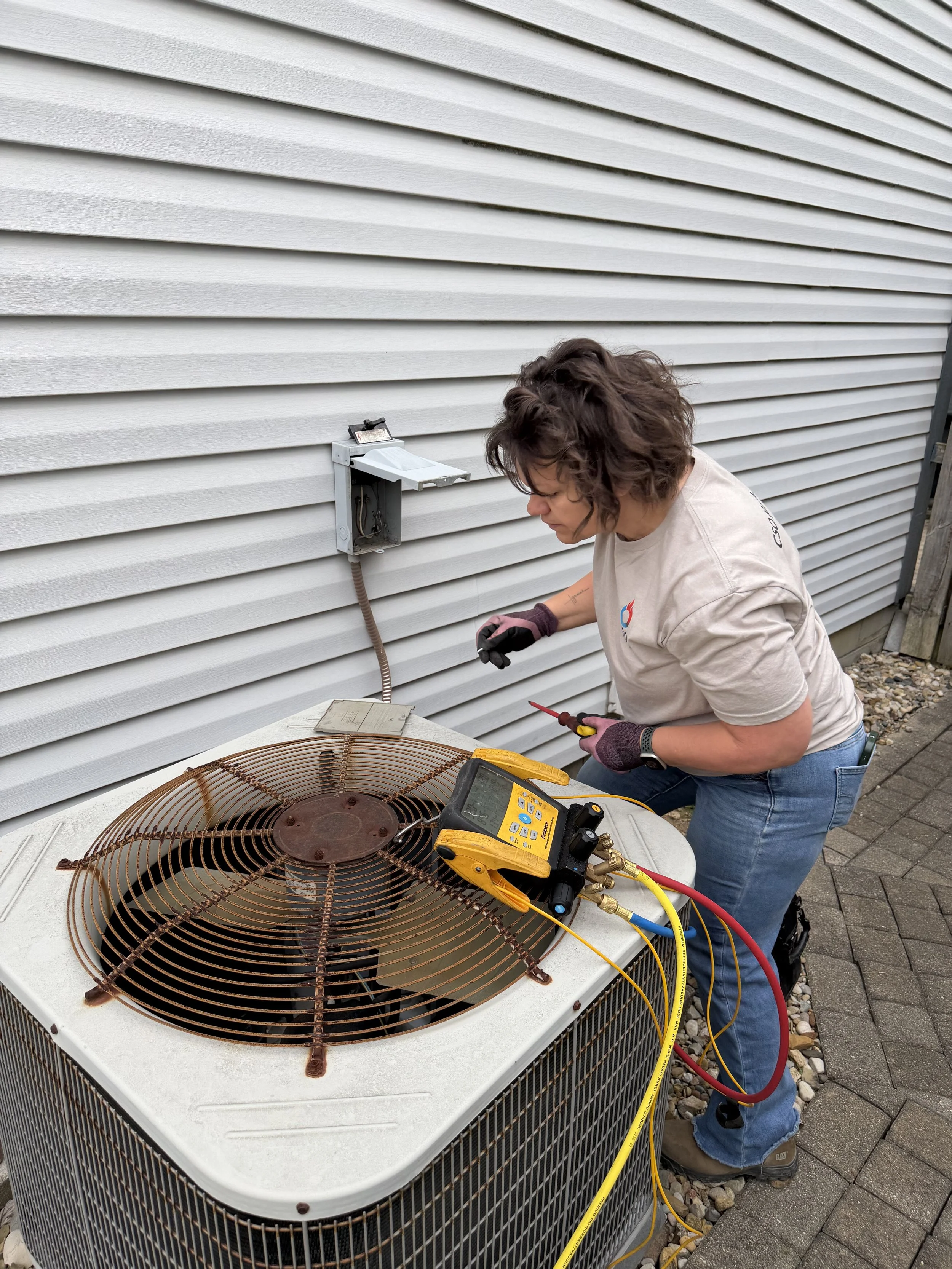
How to Lower Your Energy Bill With HVAC This Summer
You can cut summer cooling costs 20–30% with the right thermostat habits, regular maintenance, and a few smart home adjustments, no major renovation required. Here's what actually moves the needle for Indianapolis homeowners.
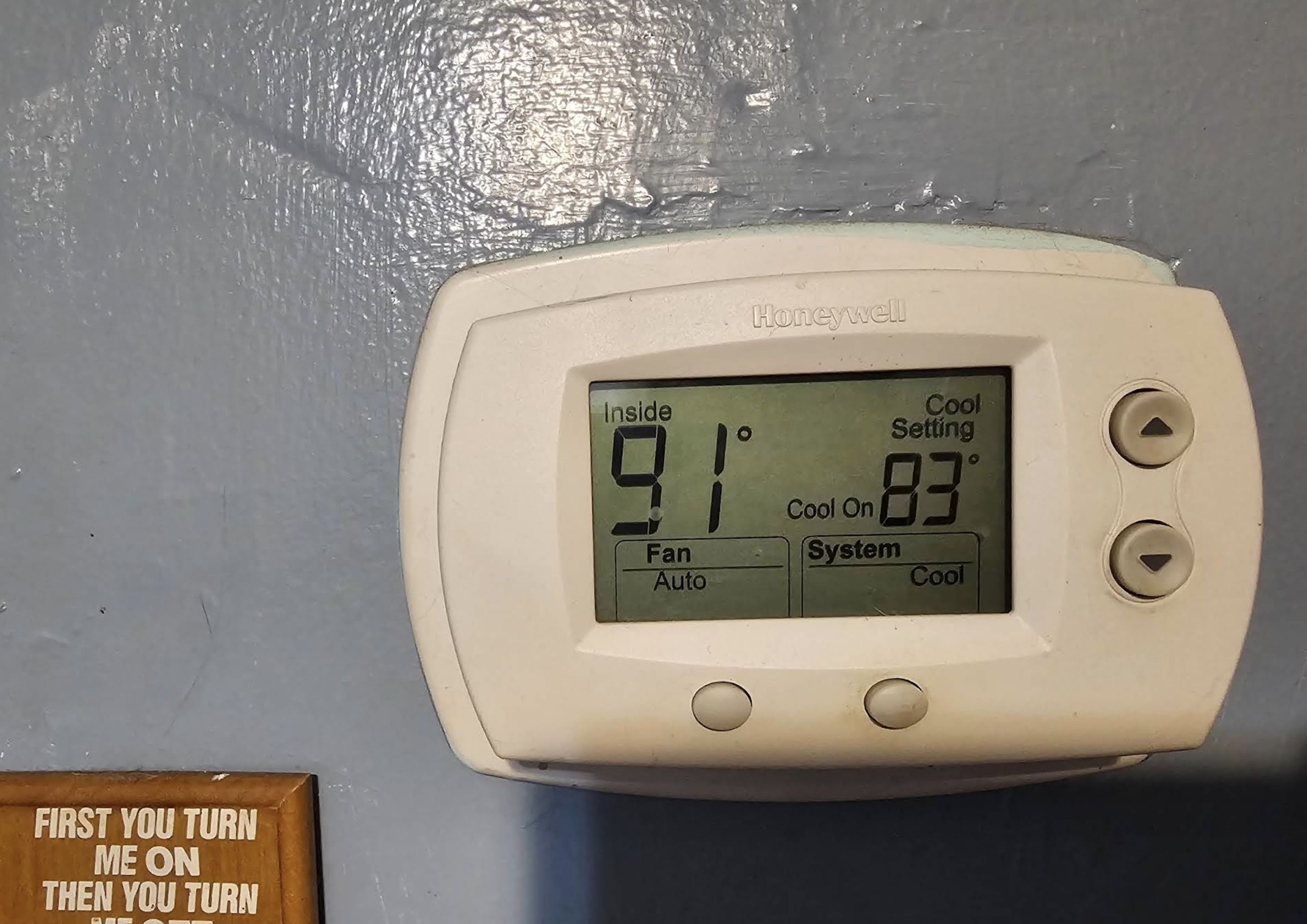
Why Is My House Still Hot With the AC On?
An AC that runs but doesn't cool usually has one of seven causes: a dirty filter, refrigerant leak, frozen coil, undersized system, ductwork problem, thermostat issue, or an aging unit. Some you can fix yourself in minutes. Others need a professional.
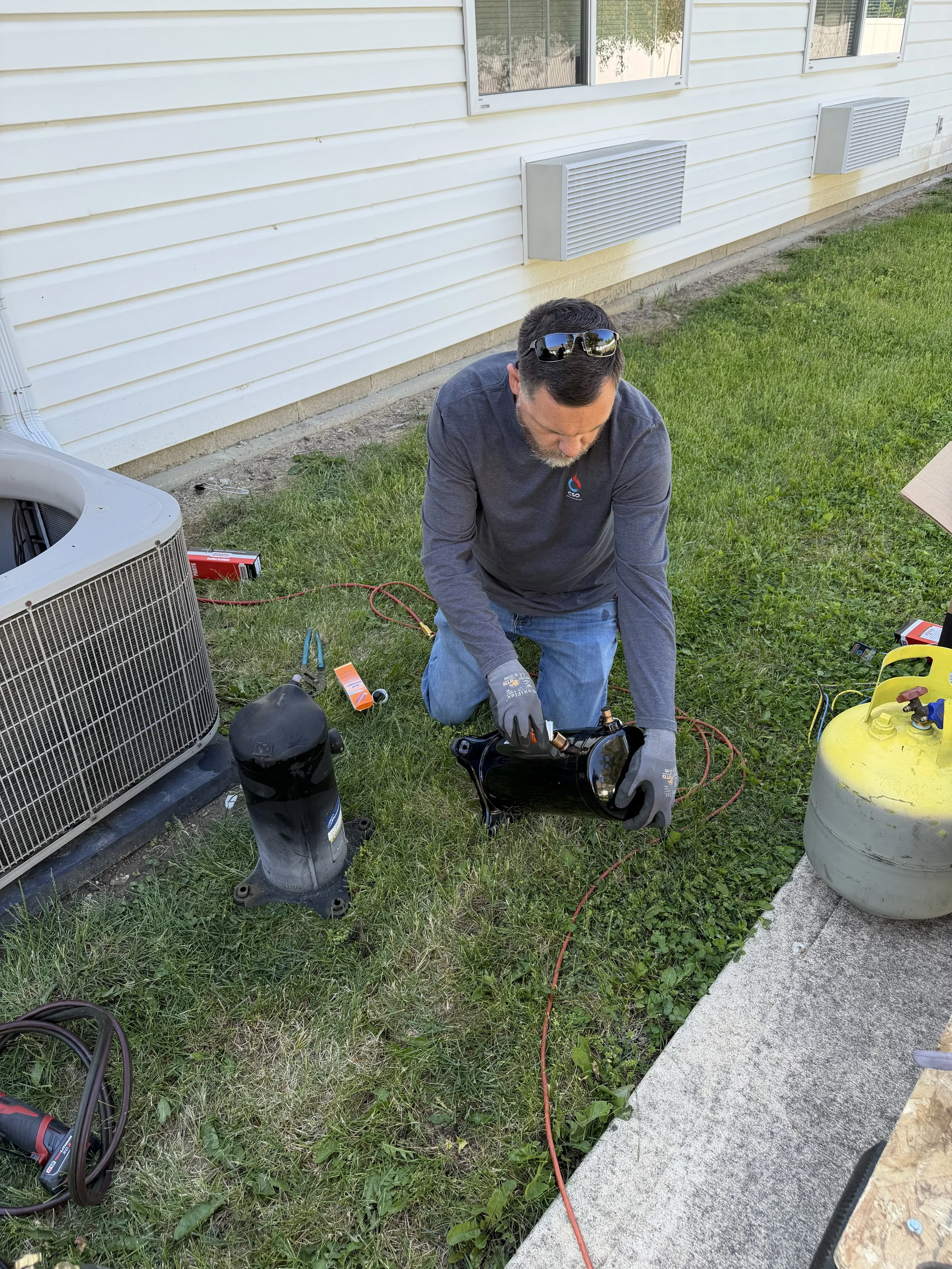
How Long Does an AC Unit Last? Signs It's Time for a Replacement
A well-maintained central air conditioner lasts 15–20 years. If yours is over 10 years old and showing trouble signs, replacement often saves more money than another repair. Watch for rising energy bills, frequent breakdowns, uneven cooling, and outdated refrigerant.